

Introduction:
In today's world, where reliable and uninterrupted power supply is crucial for various industries and applications, diesel generators play a vital role. Diesel generators are widely used for providing backup power during outages or as a primary power source in remote locations where grid power is not available. To ensure the quality, performance, and reliability of diesel generators, type testing is conducted as per industry standards and regulations. In this article, we will delve into the importance of type testing for diesel generators, the testing procedures involved, and the key parameters evaluated during the testing process.
Importance of Type Testing for Diesel Generators:
Type testing is a critical process that ensures the compliance of diesel generators with relevant standards and specifications. By subjecting diesel generators to rigorous testing procedures, manufacturers can verify the performance, efficiency, and safety aspects of their products. Type testing also helps in identifying any design flaws or weaknesses in the generator system before it is deployed in real-world applications. Additionally, type testing provides confidence to end-users, regulatory authorities, and other stakeholders regarding the quality and reliability of the diesel generator.
Testing Procedures Involved in Type Testing:
Type testing for diesel generators involves a series of comprehensive tests that evaluate various aspects of the generator's performance and functionality. Some of the key testing procedures typically included in type testing are as follows:
1. Load Testing: Load testing is conducted to determine the generator's ability to deliver the rated power output under varying load conditions. The generator is subjected to different load levels to assess its performance and stability.
2. Efficiency Testing: Efficiency testing is performed to evaluate the fuel consumption and overall efficiency of the diesel generator. This test helps in determining the operating cost and environmental impact of the generator.
3. Voltage Regulation Testing: Voltage regulation testing is carried out to assess the generator's ability to maintain a stable output voltage within acceptable limits under varying load conditions. Proper voltage regulation is crucial to ensure the safe operation of connected electrical equipment.
4. Frequency Regulation Testing: Frequency regulation testing evaluates the generator's ability to maintain a stable output frequency (typically 50 Hz or 60 Hz) under changing load conditions. Consistent frequency output is essential for the proper functioning of electrical devices.
5. Transient Response Testing: Transient response testing assesses how quickly the generator can respond to sudden load changes. This test helps in determining the generator's ability to handle transient events without affecting the connected equipment.
6. Environmental Testing: Environmental testing involves subjecting the diesel generator to extreme temperature, humidity, and vibration conditions to evaluate its performance under harsh environmental conditions. This test ensures the reliability of the generator in diverse operating environments.
7. Endurance Testing: Endurance testing is conducted to assess the long-term durability and reliability of the diesel generator. The generator is operated continuously for an extended period to simulate real-world usage and identify any potential issues that may arise over time.
Key Parameters Evaluated During Type Testing:
During type testing of diesel generators, several key parameters are evaluated to ensure compliance with industry standards and specifications. Some of the critical parameters that are typically assessed during type testing include:
1. Rated Power Output: The rated power output of the generator is verified to ensure that it meets the specified rating under normal operating conditions.
2. Fuel Consumption: The fuel consumption of the generator is measured to determine its efficiency and operating cost over time.
3. Voltage Regulation: The voltage regulation capability of the generator is evaluated to ensure that it can maintain a stable output voltage within acceptable limits.
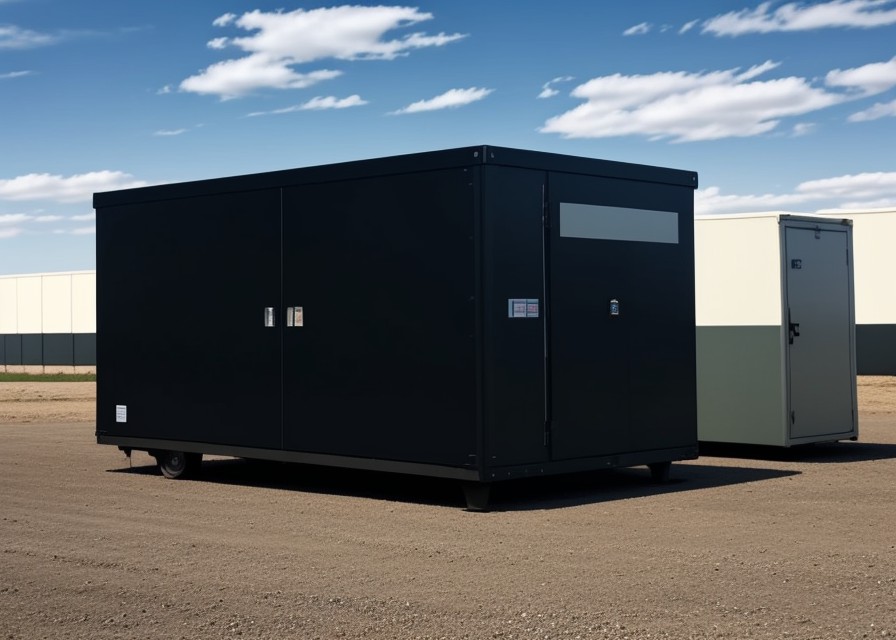
4. 75kw diesel generator for telecommunications towers : The frequency regulation performance of the generator is assessed to verify that it can maintain a stable output frequency under varying load conditions.
5. Transient Response Time: The transient response time of the generator is tested to determine how quickly it can respond to sudden load changes without affecting the connected equipment.
6. Noise Level: The noise level produced by the generator during operation is measured to ensure compliance with noise regulations and to assess its impact on the surrounding environment.
7. Emissions: The emissions of the generator, including pollutants such as NOx, CO, and particulate matter, are monitored to assess its environmental impact and compliance with emission standards.
Conclusion:
In conclusion, type testing plays a crucial role in ensuring the quality, performance, and reliability of diesel generators. By subjecting generators to a series of rigorous tests, manufacturers can verify compliance with industry standards, identify any design flaws or weaknesses, and provide confidence to end-users regarding the product's quality. The testing procedures involved in type testing cover various aspects of generator performance, efficiency, and safety, and help in evaluating key parameters such as power output, fuel consumption, voltage regulation, frequency regulation, and emissions. Overall, type testing is essential for validating the performance and reliability of diesel generators and ensuring their suitability for diverse applications and operating conditions.